Reflection on BBC's latest 'Pilgrimage' series
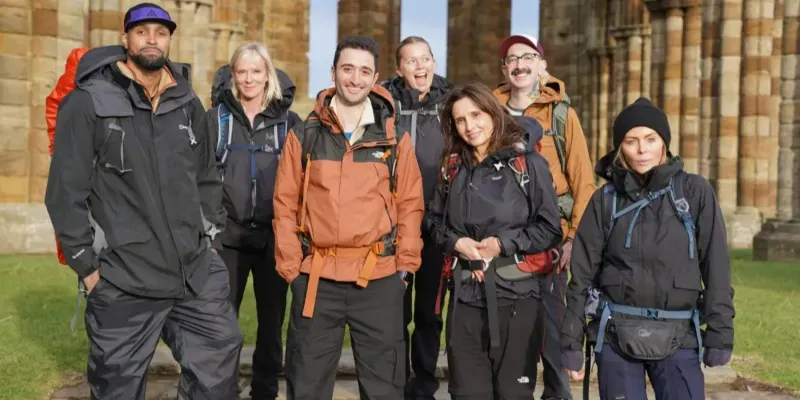
Easter brings one of my favourite TV shows of the year, the BBC 'Pilgrimage' programme. Now in its ninth year, the 2026 offering, 'The Road to Holy Island', was particularly significant for me for two reasons. Firstly, I've lived in the region for many years and walked the routes being highlighted in the series. Secondly, I had the privilege of helping the production team with some of their preparation for the show.
This year's series followed seven 'celebrity pilgrims' who followed trails in the North East, visiting Whitby, Durham, Warkworth hermitage, Dunstanbugh and Cuthbert's Cave, before walking across the sands to Holy Island. The photography showcased some of the best of the North East's fantastic scenery and will no doubt inspire many people to make their own pilgrimages in this part of the country.
The pilgrims' journey was a somewhat convoluted route necessitated by the makers' desire to include a strenuous climb and a variety of locations and experiences for the pilgrims which would make good viewing. The show alluded to the journey being taken both on foot and by bus, so that the viewer was left unsure how much of the trail the pilgrims actually walked. The route followed by the BBC's pilgrims would not practically work as a genuine pilgrimage walk. I would point readers instead to the Northern Saints trails and other routes such as the Way of St Hild, St Cuthbert's Way and St Oswald's Way as ones which offer a memorable and easily walkable pilgrimage journey.
The pilgrims commented on how remarkable some of these places felt to them, especially Holy Island - which was described by one of the participants as the most sacred place in England. I could easily concur with this view, and it is always a joy when I visit this cradle of northern Christianity as part of a pilgrimage walk, which I have the privilege of doing on more than one occasion most years. I always leave having received some fresh revelation or insight, my spirit is stirred and my faith is deepened. So well done to the BBC for choosing to bring its pilgrims to this 'thin place' for its pilgrimage offering this year.
As with previous series, we see how the practice of pilgrimage has its impact on a wide variety of participants, who have different faith backgrounds. Everyone seems to be genuinely touched at some point on the journey and stimulated to take the spiritual dimension of life more seriously.
I find it interesting that in a culture where God is not part of the public conversation, the pilgrims feel liberated by having an opportunity to talk openly about their own faith position and consider spiritual matters. This points to our basic human nature as spiritual beings, and challenges a secular culture that denies our innate spirituality. My hope is that programmes such as this will stimulate more public and private conversations around matters of faith and spirituality.
One of the highlights of the series for me was the visit which the pilgrims made to Nether Springs, the mother house of the Northumbria Community. I and others who acted as consultants had recommended this venue. I was disappointed that the pilgrims did not have the opportunity to spend a night at the retreat centre or join in the community's rhythm of prayer. Nevertheless in their conversation with two of the community's leaders, the point was made that the Celtic saints should be viewed as ordinary men and women, just like us, who made their mark because of their passionate desire to worship, serve and follow Christ. This plays very much against the unhelpful 'celebrity' culture which shows like this can unwittingly promote and which Christians can slip into when venerating the saints.
I am pleased to see that this series continues to form part of the BBC's Easter programming schedule. Presumably it attracts sufficient viewing figures and interest to justify its continuing place in the TV calendar. Long may this continue.
April 2026